Backed Up Sewage in Basement: What to Do Immediately
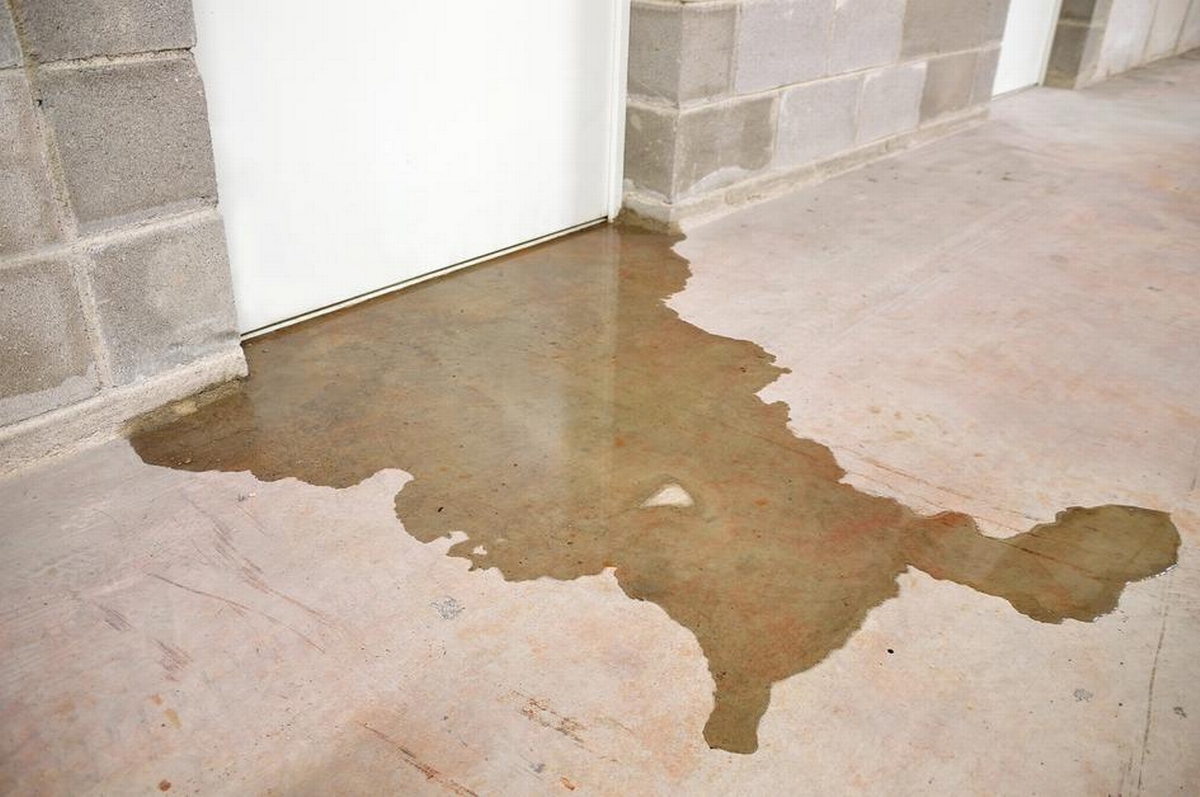
Sewage backup in basements is a dreaded nightmare for homeowners in Grants Pass. With the odor, potential health hazards, and extensive property damage, knowing what to do in the face of such a crisis is crucial. Whether the backup results from a clogged main sewer line, heavy rains, or old plumbing, acting quickly can minimize the fallout. Calling a professional damage restoration company in the Grants Pass area, like Mold Fire Water LLC, is often the safest bet to restore immediate safety and order to your home.
In this post, we will explore the primary causes of sewage backups, the immediate steps you should take when it occurs, and why professional intervention is often necessary. We will also offer insights into preventive measures to protect your home from future incidents. By understanding these key points, you can act decisively in such emergencies and ensure a rapid return to normalcy.
Understanding the Causes of Sewage Backup
Common Reasons for Sewage Backup
Knowing why your home's basement might experience a sewage backup can better prepare you for tackling the situation. Several issues may cause it, including:
- Clogged Sewer Lines: One of the most common reasons, clogs in your home's plumbing line can lead to pressures that force sewage to back up into your basement.
- Tree Roots: Roots seeking moisture may penetrate and grow into sewer lines, causing blockages and breakages.
- Broken or Collapsed Sewer Lines: Older homes may have pipes made from outdated materials, prone to breaking or collapsing, thus leading to backups.
- Heavy Rainfall: An overwhelmed municipal sewer system can lead to excess water backing up into connected houses.
Signs to Watch For
Recognizing early warning signs can help you catch problems before they become severe. Look out for:
- Gurgling sounds from drains or toilets
- Water pooling around basement drains
- Unusual smells emanating from your home's drainage system
Immediate Steps to Take
Ensure Safety
If you find a backed up sewage in basement, personal safety should always come first. Here’s how you can ensure your safety and that of your family:
- Evacuate People and Pets: Keep family members and pets away from the basement to avoid health risks.
- Turn Off Utilities: Power or gas exposure to water and waste can be hazardous. Safely disconnect any potential sources.
- Ventilate the Area: Open windows and doors to allow fresh air to circulate and disperse harmful fumes.
Contact Professionals
- Call a Specialist: Contact Mold Fire Water LLC to handle the situation. Their expertise ensures proper water damage restoration in Grants Pass and minimizes potential health risks.
Minimize Damage
While professionals might take some time to arrive, you can do a few things to minimize further damage:
- Avoid Using Water: Stop using your plumbing until the problem is resolved to prevent exacerbating the situation.
- Remove Dry Items: If possible, relocate dry belongings to minimize water and sewage exposure.
The Importance of Professional Restoration
Health Risks
Sewage contains bacteria, viruses, and parasites that pose serious health risks. Without proper gear and training, handling backed up sewage in basement yourself is dangerous. Professional intervention ensures that the area is sanitized and deeply cleaned.
Effective Cleanup
Professionals use specialized equipment and techniques to ensure thorough sewage extraction and cleanup. This comprehensive cleanup helps prevent:
- Mold Growth: Mold can develop within days of water damage.
- Structural Damage: Prolonged moisture can weaken foundations and support structures.
Prevention Is Better Than Cure
Regular Maintenance
Regular maintenance is your best defense against basement sewage backups. Here are preventive efforts you can undertake:
- Install a Backwater Valve: This will prevent outside sewage from entering your basement in the event of a backup.
- Schedule Regular Inspections: Have professionals, like those offering mold remediation and removal in Grants Pass and its nearby areas, inspect your plumbing to identify potential issues.
- Consider Tree Location: Ensure trees are planted away from sewer lines to avoid root obstruction.
Additional Tips
- Proper Disposal: Avoid flushing non-degradable materials down toilets and drains.
- Elevate Appliances: Place appliances on pedestals to protect them from potential water damage.
Effectively Dealing with Sewage Backups
Sewage backups are not just an inconvenience; they are emergencies that require swift, informed actions. By understanding why sewage backups happen and knowing the immediate steps to take, you can safeguard your family and home against further damage. Look to your local professionals... what does that mean. Well, water removal services in Atlanta can look different than what you might see with water restoration efforts in places like Brookings or Grants Pass. If faced with a backed-up sewage in the basement, professional intervention is crucial for proper restoration and to prevent long-term health and structural issues.
Mold Fire Water LLC offers exemplary damage restoration services and is well-equipped to handle such emergencies, not just for water damage but also for efficient mold remediation, ensuring that your property is returned to its pre-disaster state safely and effectively. Don't wait for these emergencies to strike without a plan: reach out to professionals, like Mold Fire Water LLC, and safeguard your home and health.
Whether it’s a minor inconvenience or a major disaster, dealing with a sewage backup is daunting—until you partner with experts who can guide you every step of the way.