Mold Growing in Toilet: Causes and How to Stop It
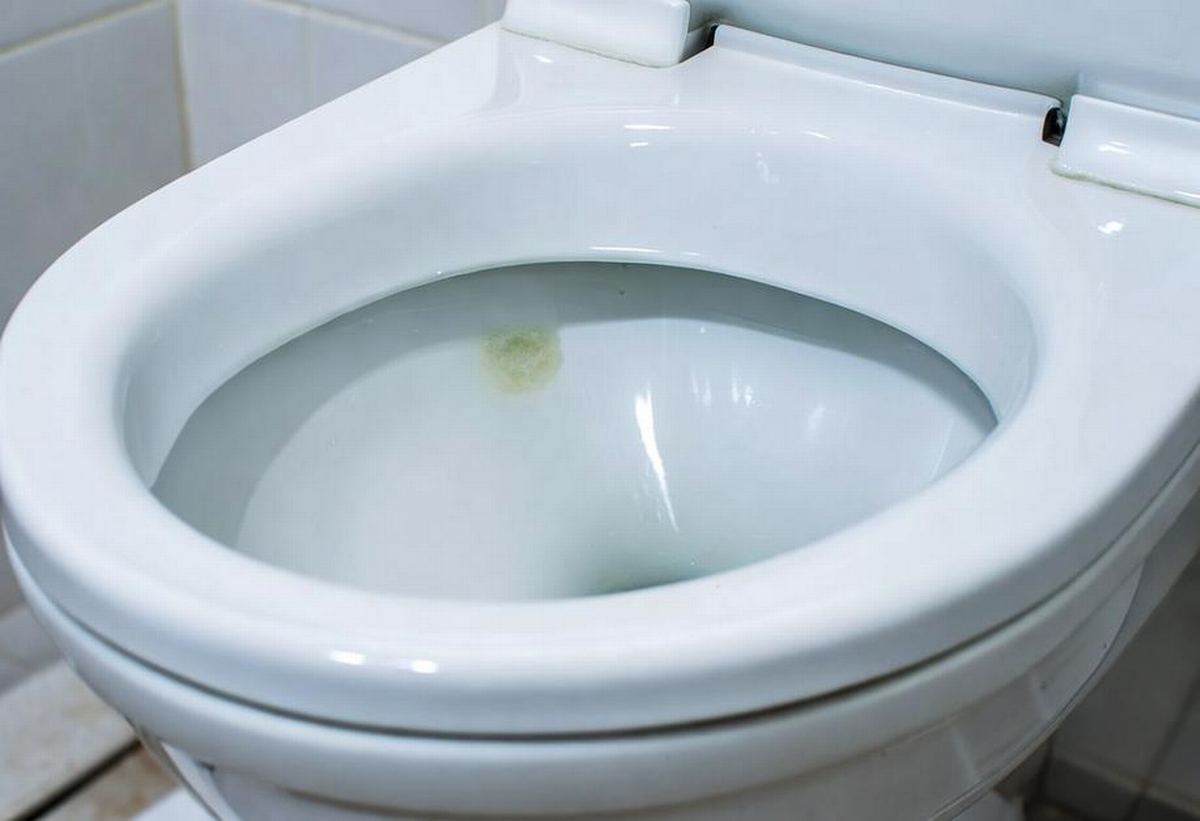
If you've ever lifted the lid of your toilet to find unsightly mold starting to bloom, you're not alone. Mold growing in toilet is a surprisingly common issue for homeowners, yet it's still deeply frustrating. More than just an aesthetic nuisance, mold can signify underlying problems that may need urgent attention. For those needing emergency restoration services in Grants Pass and its surrounding areas, understanding the root causes of mold in your toilet can make all the difference in maintaining a healthy, hygienic home.
So why does this pesky fungus thrive in such an unexpected place? And more importantly, how can you effectively stop it from taking hold? In this blog post, we’ll explore the leading causes of toilet mold, reveal expert tips for prevention, and explain when to call in professionals like Mold Fire Water LLC. Get ready to reclaim the sparkle of your bathroom with the actionable insights we provide.
Why Mold Thrives in Toilets
Mold is a fungi family member that thrives in damp, dark environments. Toilets, therefore, offer the perfect breeding ground with their constant availability of moisture and minimal light. Mold growing in toilet tanks and bowls often goes unnoticed until it starts spreading further or releases a noticeable odor, signaling an infestation bad enough to require attention.
Causes of Mold Growth
- Constant Moisture : Toilets naturally remain moist, with condensation forming due to humidity and temperature disparities between the bowl and the surrounding air. While this helps your toilet function smoothly, it also sets the stage for mold proliferation.
- Infrequent Use : The less frequently a toilet is flushed, the more stagnant water remains, providing a hospitable environment for mold spores to flourish.
- Poor Ventilation : Bathrooms lacking adequate ventilation trap moisture in the air, increasing humidity levels and creating optimal conditions for mold. Regular air circulation is key to reducing this risk.
- Leaky Seals or Plumbing : Even a minor leak can lead to mold growth due to continuously damp surfaces. Seemingly minor leaks should be addressed immediately to avoid severe damages.
- Mineral Deposits : Hard water can lead to mineral deposits, often appearing as unsightly stains or build-ups in your toilet. These subtly encourage mold proliferation.
Addressing these factors can significantly mitigate the need for mold remediation and removal in Grants Pass, Josephine County, and beyond. However, for more extensive infestations or persistent mold problems, professional assistance is often the best route.
Proactive Measures to Prevent Mold
Stopping mold from taking hold in your toilet boils down to a combination of routine maintenance and targeted measures. Here's how you can effectively steer clear of stubborn mold issues:
Regular Cleaning
- Schedule Weekly Cleans : Frequently clean your toilet at least once a week using mild disinfectants like white vinegar. This keeps mold spores at bay and prevents large accumulations.
- Do Not Overlook the Tank : Clean the tank interior regularly, as mold often starts here. Add a small amount of bleach inside and let it sit before flushing to disinfect.
Improve Ventilation
- Install Exhaust Fans : An effective exhaust fan significantly reduces humidity levels, hindering mold's likelihood of forming.
- Open Windows : When possible, open bathroom windows to allow fresh air circulation, keeping the room drier.
Control Humidity Levels
- Use a Dehumidifier : Place a dehumidifier in the bathroom to keep moisture levels down, especially in regions with high humidity.
Inspect and Repair
- Fix Leaks Promptly : Immediately repair any signs of leaks around the toilet or plumbing. Ignoring these can lead to both water and mold damage before you know it.
Consider Water Treatments
- Install Water Softeners : These devices reduce mineral build-up caused by hard water, which can encourage mold growth in toilets.
When to Contact Professionals
Persistent mold or concerning conditions call for professional intervention. Regular efforts might minimize small growths, but entrenched mold might need expert attention. Mold Fire Water LLC offers comprehensive mold remediation services that are tailored to tackling problems like mold growing in toilet environments.
Look for signs that indicate a need for professional help:
- Stubborn Stains : Persistent dark spots that won’t scrub away often signal deeper issues.
- Musky Odors : Mold will emit a noticeable, musty smell when it saturates your bathroom environment.
- Health Concerns : Continual exposure to mold can provoke allergic reactions or respiratory problems. Don't let this become a health hazard.
A Commitment to Quality and Safety
Addressing mold concerns eliminates discomfort and potential health risks. With water damage restoration services, mold growth in your toilet or elsewhere can be resolved efficiently. Mold Fire Water LLC is committed to providing top-tier restoration services, ensuring you and your family enjoy a safe, mold-free home environment.
Ready to Stop Mold in Its Tracks?
Mold growing in toilet areas may seem trivial at first, but left unchecked, it can lead to larger household issues. Whether you're dealing with minor mold build-up or something more pervasive, remembering these preventive measures is crucial in preserving your home's quality.
By understanding these causes and stepping in early, you can safeguard your home and health against mold’s annoyances. Mold Fire Water LLC stands ready to offer reliable solutions for any mold problem you face. Whether you need in-depth mold remediation or expert water damage restoration, our team is here to help. Contact us today to keep your toilets — and your home — mold-free.